WUF13 – Strategic Participation of MOCAHO at the Global South NGO Platform (GSNP) General Assembly
Executive Overview
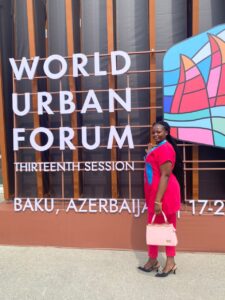
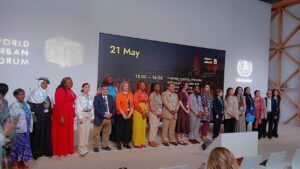
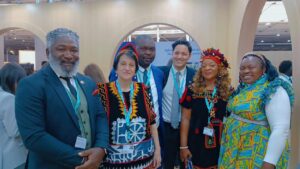
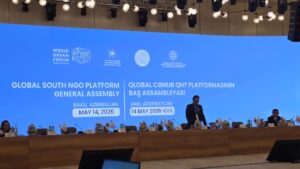
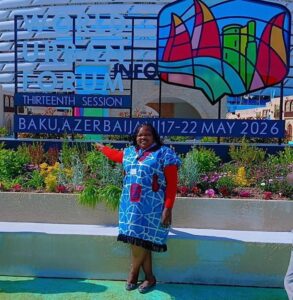
Mother Care 4 Hope Outreach (MOCAHO) proudly participated in the General Assembly of the Global South NGO Platform (GSNP) convened within the framework of the Thirteenth Session of the World Urban Forum (WUF13) in Baku, Republic of Azerbaijan. The Assembly represented one of the most significant civil society coordination mechanisms operating alongside WUF13 and brought together leading organizations, development practitioners, policymakers, multilateral institutions, and community actors from across the Global South.
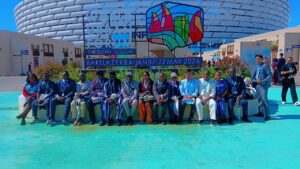
MOCAHO was represented through its national branches and international leadership, reflecting the organization’s expanding role within global sustainable development, community resilience, social inclusion, environmental sustainability, and grassroots empowerment initiatives.
Participation followed an invitation extended through WUF13 stakeholder engagement processes and provided MOCAHO with an important platform to contribute to international discussions shaping the future of sustainable urban development and community-centered governance.
Event Details
• Event: Global South NGO Platform (GSNP) General Assembly
• Host Platform: 13th Session of the World Urban Forum (WUF13)
• Venue: Baku, Republic of Azerbaijan
• GSNP Assembly Date: 14 May 2026
• WUF13 Programme Dates: 10–22 May 2026
• Global Theme: Housing the World: Safe and Resilient Cities and Communities
• Convening Organizations: UN-Habitat, Global South NGO Platform, International Development Partners and Civil Society Stakeholders
The Forum attracted thousands of participants from governments, United Nations agencies, civil society organizations, academia, development finance institutions, local authorities, private-sector entities, youth networks, and community-based organizations from every region of the world.
Institutional Engagement and Multilateral Dialogue
The General Assembly served as a high-level platform for strategic consultation, policy dialogue, stakeholder coordination, and partnership development among civil society actors working across the Global South.
MOCAHO participated in:
• High-Level Stakeholder Consultations.
• Civil Society Coordination Meetings.
• Sustainable Urban Development Dialogues.
• Community Resilience Forums.
• Partnership Development Sessions.
• Knowledge Exchange Platforms.
• SDG Localization Discussions.
• Inclusive Governance Consultations.
• Multi-Stakeholder Roundtables.
• Community-Led Development Forums.
These engagements enabled MOCAHO to exchange practical experiences, present community-driven approaches, and contribute perspectives derived from grassroots implementation across its operational regions.
Sustainable Urbanization and Resilient Communities
A central focus of the Assembly was the advancement of sustainable urbanization strategies capable of addressing growing challenges associated with housing, urban resilience, social inclusion, environmental sustainability, and demographic transformation.
MOCAHO actively engaged in discussions concerning:
• Inclusive Urban Governance.
• Affordable and Sustainable Housing Systems.
• Climate-Resilient Communities.
• Urban Adaptation and Risk Reduction.
• Community-Based Planning Mechanisms.
• Sustainable Infrastructure Development.
• Social Protection within Urban Settings.
• Localized Resilience Frameworks.
Particular emphasis was placed on strengthening cooperation between civil society organizations and local authorities to improve implementation of the New Urban Agenda and relevant Sustainable Development Goals.
Global South Cooperation and NGO Solidarity
The GSNP General Assembly provided an important opportunity for strengthening institutional cooperation among organizations operating across Africa, Asia, Latin America, the Caribbean, and the Pacific regions.
MOCAHO supported discussions aimed at:
• Enhancing South-South Cooperation.
• Expanding Technical Knowledge Sharing.
• Strengthening Civil Society Networks.
• Facilitating Resource Mobilization Partnerships.
• Promoting Community-Centered Development Models.
• Encouraging Collaborative Advocacy Initiatives.
• Building Institutional Capacity Across NGOs.
The Assembly reaffirmed the importance of collective action in addressing shared development challenges facing vulnerable communities throughout the Global South.
Community Safety, Inclusion and Social Resilience
Throughout the Forum, considerable attention was dedicated to developing innovative approaches for building safer, more inclusive, and resilient communities.
MOCAHO participated in thematic discussions relating to:
• Protection of Vulnerable Populations.
• Gender-Responsive Urban Development.
• Social Inclusion and Equity.
• Community Safety Frameworks.
• Youth Empowerment and Participation.
• Grassroots Development Solutions.
• Local Resilience Building Mechanisms.
• Sustainable Community Governance.
These discussions closely aligned with MOCAHO’s institutional mission of empowering vulnerable individuals, strengthening community structures, and promoting sustainable social development.
Alignment with Sustainable Development Goals
Participation in WUF13 and the GSNP General Assembly directly contributed to MOCAHO’s work advancing:
• SDG 1 – No Poverty.
• SDG 5 – Gender Equality.
• SDG 10 – Reduced Inequalities.
• SDG 11 – Sustainable Cities and Communities.
• SDG 13 – Climate Action.
• SDG 16 – Peace, Justice and Strong Institutions.
• SDG 17 – Partnerships for the Goals.
The Forum highlighted the growing importance of integrating social, environmental, economic, and governance dimensions within urban development planning and implementation.
Strategic Outcomes and Institutional Impact
Through its active participation, MOCAHO successfully strengthened relationships with international stakeholders, civil society networks, development practitioners, and policy actors working at local, national, regional, and global levels.
The organization:
• Expanded its international partnership network.
• Engaged with leading urban development experts.
• Contributed grassroots perspectives to policy discussions.
• Explored opportunities for collaborative programming and advocacy.
• Strengthened its visibility within global sustainable development platforms.
• Reinforced its commitment to inclusive and resilient community development.
Looking Forward
MOCAHO’s participation at the Global South NGO Platform General Assembly during WUF13 represented a significant milestone in the organization’s expanding international engagement. The Assembly provided valuable opportunities to advance dialogue, strengthen partnerships, and contribute to collective efforts aimed at building safer, more inclusive, and climate-resilient communities.


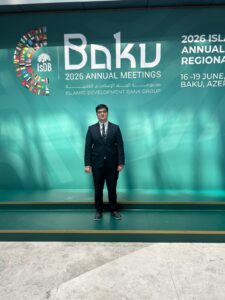
ISDB26 – Participation of MOCAHO at the High-Level Ministerial Meeting of the Islamic Development Bank Group Annual Meetings 2026
Executive Overview
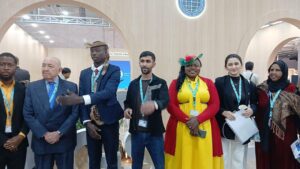
Mother Care 4 Hope Outreach (MOCAHO) proudly participated in the Islamic Development Bank Group Annual Meetings 2026 (IsDB26), contributing to high-level policy discussions alongside ministers, development finance institutions, multilateral organizations, civil society representatives, and international stakeholders.
The event provided a strategic platform for dialogue on sustainable development financing, economic resilience, social inclusion, and South-South cooperation. Through its participation, MOCAHO reinforced its commitment to advancing community-centered development solutions and strengthening partnerships that contribute to the achievement of the Sustainable Development Goals (SDGs).
Event Details
• Event: Islamic Development Bank Group Annual Meetings 2026 (IsDB26)
• Format: High-Level Ministerial Meetings and Technical Sessions
• Participants: Ministers of Finance, Development Partners, International Organizations, Civil Society Representatives, and Private Sector Stakeholders
• Theme: Advancing Sustainable Development Through Partnership, Innovation, and Inclusive Growth
Ministerial Engagement and Contributions
During the Ministerial Meeting, MOCAHO actively participated in discussions related to Agenda Item 3, which focused on strengthening cooperation mechanisms, mobilizing sustainable financing, and enhancing collective efforts toward inclusive development across member states.
MOCAHO expressed its support for the continuation of collaborative development initiatives and welcomed the transition of leadership responsibilities to the next Chairmanship of Burkina Faso, recognizing the country’s commitment to advancing regional cooperation, development finance, and sustainable economic growth.
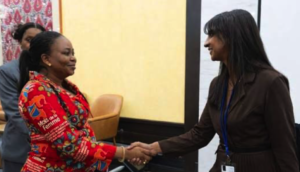
The organization also joined stakeholders in supporting interventions delivered by government representatives, including remarks presented by the Minister of Finance of Cameroon, which emphasized the importance of equitable development financing, community resilience, youth empowerment, and investment in social infrastructure across developing economies.
Strategic Outcomes
Participation in IsDB26 enabled MOCAHO to:
• Engage directly with senior government officials and development finance institutions.
• Strengthen relationships with regional and international partners.
• Promote community-based development approaches and grassroots solutions.
• Explore opportunities for collaboration in areas of social protection, education, climate resilience, and sustainable livelihoods.
• Contribute civil society perspectives to discussions on development finance and inclusive growth.
Looking Forward
MOCAHO remains committed to supporting international cooperation frameworks that advance sustainable development, social inclusion, and economic opportunity for vulnerable communities. Participation in IsDB26 further strengthened the organization’s engagement with global development partners and reaffirmed its dedication to building resilient communities through partnership, advocacy, and innovative development solutions.
Through continued engagement in international policy processes, MOCAHO seeks to ensure that the voices and needs of local communities remain reflected in global development decision-making and financing frameworks.
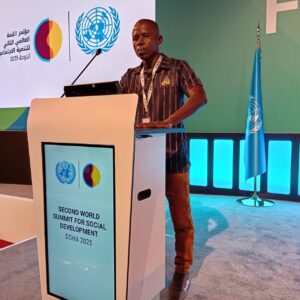
Doha Social Development Forum – MOCAHO Participation
Executive Overview
Mother Care 4 Hope Outreach (MOCAHO) participated in the Doha Social Development Forum, a high-level international platform dedicated to advancing social inclusion, sustainable development, community resilience, and innovative policy solutions to global development challenges.
The Forum convened government officials, United Nations representatives, civil society organizations, development practitioners, academics, and private-sector stakeholders to discuss pathways toward achieving the Sustainable Development Goals (SDGs) through inclusive and people-centered approaches.
MOCAHO’s participation reflected the organization’s ongoing commitment to promoting sustainable development, climate action, community empowerment, and international cooperation.
Event Details
• Event: Doha Social Development Forum
• Location: Doha, State of Qatar
• Participants: Government Representatives, UN Agencies, Civil Society Organizations, Development Partners, Academic Institutions, and Private Sector Leaders
• Focus Areas: Social Development, Sustainable Communities, Climate Resilience, Human Development, and SDG Implementation
MOCAHO’s Contribution
A key highlight of MOCAHO’s participation was the intervention delivered by Ambassador Otu Tabe Wales, who represented the organization during the Forum’s high-level discussions.
In his address, Ambassador Otu Tabe Wales emphasized the importance of strengthening partnerships between governments, civil society organizations, and development institutions to accelerate progress toward sustainable and inclusive development. He highlighted the critical role of grassroots organizations in translating global commitments into tangible community-level impact.
During the Forum, MOCAHO also formally introduced and advocated for a policy-oriented Advocacy Brief on Sustainable Development Goal 6 (Clean Water and Sanitation) and Sustainable Development Goal 13 (Climate Action). The brief outlined practical recommendations aimed at enhancing community resilience, expanding access to safe water and sanitation services, strengthening climate adaptation measures, and promoting locally driven solutions to environmental challenges.
Strategic Discussions
Throughout the Forum, MOCAHO actively engaged in discussions relating to:
• Social inclusion and equitable development.
• Climate resilience and community adaptation strategies.
• Water security and sustainable resource management.
• Partnerships for achieving the Sustainable Development Goals.
• Strengthening civil society participation in policy development and implementation.
Institutional Impact
The Forum provided MOCAHO with valuable opportunities to engage with international stakeholders, share best practices from its community-based initiatives, and explore collaborative mechanisms for advancing sustainable development priorities across vulnerable communities.
The presentation of the SDG 6 and SDG 13 Advocacy Brief further strengthened MOCAHO’s role as a civil society contributor to international development discourse and reinforced its commitment to evidence-based advocacy and policy engagement.
Looking Forward
MOCAHO remains committed to supporting international efforts that advance sustainable development, environmental stewardship, and social inclusion. Participation in the Doha Social Development Forum enhanced the organization’s global engagement and created new opportunities for partnership, knowledge exchange, and collaborative action toward achieving the Sustainable Development Goals.
Through continued advocacy, community empowerment initiatives, and strategic international engagement, MOCAHO will continue working to ensure that local voices contribute meaningfully to global development solutions and decision-making processes.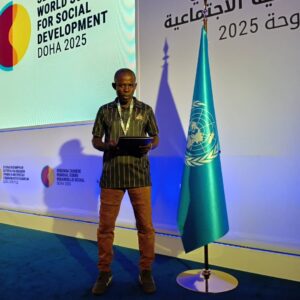
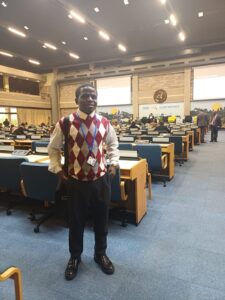
Innovate4Cities 2026 – Participation of MOCAHO at the United Nations Headquarters, Nairobi
Executive Overview
Mother Care 4 Hope Outreach (MOCAHO) was officially represented at the 2026 Innovate4Cities Conference, a premier international forum dedicated to advancing climate resilience, sustainable urban development, evidence-based policymaking, and innovation-driven solutions for addressing the global climate crisis.
Hosted at the United Nations Headquarters in Nairobi, Kenya, the conference convened a diverse coalition of researchers, policymakers, city leaders, development finance institutions, youth representatives, civil society organizations, academia, and international development partners. The event served as a strategic platform for translating scientific knowledge into actionable policy frameworks capable of accelerating implementation of the Paris Agreement, the 2030 Agenda for Sustainable Development, and the New Urban Agenda.
MOCAHO’s participation was led by its Kenya National Branch, under the leadership of the National Coordinator, who represented the organization throughout the conference proceedings and technical engagements.
Event Details
• Event: Innovate4Cities Conference 2026
• Venue: United Nations Headquarters, Nairobi, Republic of Kenya
• Dates: 2026
• Co-Hosts: UN-Habitat and the Global Covenant of Mayors for Climate and Energy (GCoM)
• Participants: Researchers, City Governments, National Governments, United Nations Agencies, Civil Society Organizations, Development Partners, Academic Institutions, Youth Representatives, and Private Sector Stakeholders
• Focus Areas: Climate Resilience, Sustainable Urban Development, Climate Governance, Innovation, Research, Financing, Digital Transformation, and Inclusive Development
Institutional Context
The conference was organized to strengthen the connection between scientific research, innovation ecosystems, public policy, and implementation mechanisms. Discussions centered on how cities and communities can accelerate climate action while simultaneously addressing development challenges such as poverty reduction, social inclusion, infrastructure resilience, public health, environmental sustainability, and equitable economic growth.
The event benefited from the participation and technical expertise of several internationally recognized institutions, including:
• United Nations Human Settlements Programme (UN-Habitat)
• Global Covenant of Mayors for Climate and Energy (GCoM)
• Intergovernmental Panel on Climate Change (IPCC)
• Research institutions and universities from multiple regions
• Municipal governments and urban networks
• Climate finance institutions and development banks
• Civil society organizations and youth-led initiatives
MOCAHO Engagement and Contributions
As an accredited civil society organization committed to community empowerment, environmental sustainability, and climate justice, MOCAHO actively participated in plenary discussions, technical sessions, networking engagements, and stakeholder consultations throughout the conference.
The Kenya delegation engaged extensively in discussions relating to:
• Multi-Level Climate Governance and Institutional Coordination
• Climate Education and Capacity Building
• Community-Based Climate Adaptation
• Sustainable Urban Development and Resilient Infrastructure
• Youth Participation in Climate Decision-Making Processes
• Digital Innovation for Climate Solutions
• Climate Finance Accessibility and Resource Mobilization
• Research-to-Policy Implementation Mechanisms
• Localizing the Sustainable Development Goals (SDGs)
Through these engagements, MOCAHO contributed practical perspectives derived from grassroots implementation experience, emphasizing the importance of integrating vulnerable communities into climate planning, policy formulation, and resilience-building strategies.
Key Outcomes and Strategic Insights
Several critical themes emerged throughout the conference proceedings:
1. Strengthening Climate Governance
Participants highlighted the necessity of enhanced cooperation between local authorities, national governments, civil society actors, and international institutions to effectively implement climate commitments and resilience strategies.
2. Advancing Climate Education
Stakeholders emphasized the importance of climate literacy, environmental awareness, and community capacity-building as foundational pillars for achieving long-term sustainability objectives.
3. Enhancing Youth Leadership
The conference reaffirmed that young people must be recognized as active partners in climate governance, innovation, and policy development rather than merely beneficiaries of climate action initiatives.
4. Accelerating Innovation
Delegates explored emerging technologies, digital solutions, and research-driven approaches capable of improving urban sustainability, disaster preparedness, and environmental management.
5. Bridging the Implementation Gap
A recurring theme throughout the conference was the urgent need to convert scientific evidence and policy commitments into measurable community-level impact through stronger implementation frameworks and investment mechanisms.
Alignment with MOCAHO Priorities
Participation in Innovate4Cities 2026 directly supported MOCAHO’s strategic objectives relating to:
• Sustainable Development Goal 11 – Sustainable Cities and Communities
• Sustainable Development Goal 13 – Climate Action
• Sustainable Development Goal 4 – Quality Education
• Sustainable Development Goal 17 – Partnerships for the Goals
The conference further reinforced MOCAHO’s commitment to integrating climate resilience, environmental sustainability, youth empowerment, and community development within its programmatic interventions across its national branches.
Institutional Impact and Future Engagement
Through its participation, MOCAHO strengthened relationships with international organizations, development partners, research institutions, and urban development stakeholders. The conference provided valuable opportunities for knowledge exchange, partnership exploration, and technical learning that will contribute to future organizational programming and advocacy efforts.
The engagement also reaffirmed MOCAHO’s belief that achieving meaningful climate action requires collective responsibility, evidence-based decision-making, intergenerational cooperation, and sustained collaboration among all sectors of society.
Looking Forward
The participation of MOCAHO at the Innovate4Cities Conference 2026 represents another important milestone in the organization’s growing international engagement on climate resilience and sustainable development. Insights gained from the conference will continue to inform MOCAHO’s advocacy initiatives, community-based projects, policy engagement efforts, and capacity-building programs across its operational regions.
As climate-related challenges continue to intensify globally, MOCAHO remains committed to transforming knowledge into action, strengthening community resilience, and contributing to the creation of sustainable, inclusive, and climate-resilient societies for present and future generations.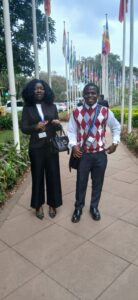

8th Global Environment Facility (GEF) Assembly – Strategic Participation of MOCAHO in Advancing Environmental Governance, Climate Finance, and Youth Engagement
Executive Overview
Mother Care 4 Hope Outreach (MOCAHO) actively participated in the 8th Global Environment Facility (GEF) Assembly, held in Samarkand, Republic of Uzbekistan, one of the highest-level multilateral environmental governance platforms bringing together governments, development finance institutions, United Nations agencies, civil society organizations, youth constituencies, academia, and private-sector stakeholders.
The Assembly served as the supreme governing forum of the Global Environment Facility, convening every four years to establish strategic priorities, review institutional mandates, approve replenishment frameworks, adopt policy directions, and guide the future architecture of international environmental financing mechanisms.
MOCAHO’s participation reflected the organization’s growing engagement in global environmental diplomacy, climate governance, sustainable development financing, and youth-led environmental action.
Institutional Engagement and Accreditation
Prior to the Assembly, MOCAHO undertook an extensive preparatory process involving stakeholder consultations, policy reviews, accreditation procedures, constituency coordination meetings, technical brief development, and participation in pre-Assembly consultations organized by civil society networks and environmental governance platforms.
Through these engagements, MOCAHO strengthened collaborative relationships with:
• Global Environment Facility (GEF) Secretariat
• Green Climate Fund (GCF) stakeholders and implementing entities
• Climate Action Network (CAN International)
• World Wide Fund for Nature (WWF) and affiliated conservation partners
• United Nations Environment Programme (UNEP)
• Chemicals and Waste Youth Platform (CWYP)
• Youth constituencies and civil society organizations operating within Multilateral Environmental Agreements (MEAs)
Strategic Focus Areas
MOCAHO’s delegation participated across a broad range of ministerial, technical, constituency, and stakeholder dialogues relating to:
• Climate Finance Architecture and Accessibility
• GEF-8 and Future Replenishment Mechanisms
• Biodiversity Conservation and Nature-Based Solutions
• Chemicals and Waste Management Governance
• Plastic Pollution Negotiations and Circular Economy Approaches
• Sustainable Urban Development and Resilience Planning
• Environmental Justice and Community-Centered Development
• Climate Adaptation and Loss & Damage Responses
• Youth Mainstreaming in Environmental Decision-Making
• Civil Society Participation within Global Environmental Governance Structures
Engagement on GEF Funding Cycles and Financial Mechanisms
Particular attention was given to discussions surrounding implementation of the GEF-8 Programming Cycle, including ongoing efforts to enhance accessibility of environmental financing for developing countries, local communities, youth organizations, and grassroots actors.
MOCAHO engaged in consultations examining pathways for greater alignment between:
• GEF Financing Mechanisms
• Green Climate Fund (GCF) Programming Frameworks
• Adaptation Fund Resources
• Multilateral Environmental Agreements (MEAs)
• Nationally Determined Contributions (NDCs)
• Sustainable Development Goal Financing Frameworks
These discussions emphasized the importance of increasing direct access opportunities and improving financing channels that support locally driven environmental initiatives.
Civil Society Coordination and Advocacy Processes
Throughout the Assembly, MOCAHO actively participated in numerous constituency coordination meetings, stakeholder consultations, side events, advocacy roundtables, and policy dialogues.
The organization contributed perspectives regarding:
• Strengthening civil society representation in environmental financing decisions.
• Enhancing youth participation within environmental governance structures.
• Expanding access to climate finance for vulnerable communities.
• Supporting inclusive approaches to chemicals and waste management.
• Promoting environmental sustainability through community-based action.
MOCAHO also engaged with civil society partners regarding implementation pathways for Assembly outcomes, stakeholder recommendations, and future collaborative initiatives emerging from the Assembly process.
Policy Dialogue and Resolution Processes
The Assembly featured extensive negotiations and consultations concerning strategic environmental priorities expected to influence future GEF operations and programming mandates.
Among the issues discussed were:
• Enhancement of biodiversity financing mechanisms.
• Strengthening support for chemicals and waste focal areas.
• Expansion of youth engagement frameworks.
• Mainstreaming climate resilience across environmental investment portfolios.
• Strengthening monitoring, reporting, and accountability mechanisms.
• Promotion of integrated environmental programming approaches.
MOCAHO participated in consultations supporting stronger recognition of youth constituencies as meaningful stakeholders within environmental governance processes and financing frameworks.
Youth Engagement and International Representation
A significant milestone of the Assembly was the advancement of discussions surrounding the establishment of a new GEF Youth Network, designed to strengthen institutionalized youth participation within future GEF processes and decision-making structures.
MOCAHO supported initiatives aimed at:
• Increasing youth representation within environmental governance.
• Enhancing capacity-building opportunities for young environmental leaders.
• Promoting intergenerational dialogue.
• Strengthening youth access to environmental financing opportunities.
• Creating pathways for long-term engagement between youth networks and multilateral institutions.
The organization welcomed efforts to formalize youth participation mechanisms across future GEF programming cycles and environmental governance platforms.
Strategic Outcomes for MOCAHO
Participation in the 8th GEF Assembly enabled MOCAHO to:
• Strengthen relationships with global environmental governance stakeholders.
• Engage directly with climate finance experts and implementing entities.
• Participate in high-level policy discussions shaping future environmental financing priorities.
• Contribute community-based perspectives to international environmental dialogues.
• Explore partnerships relating to climate adaptation, biodiversity conservation, environmental education, and sustainable development.
• Enhance institutional understanding of global environmental financing mechanisms.
Institutional Significance
The Assembly represented a major milestone in MOCAHO’s expanding engagement within international environmental diplomacy and sustainable development policy processes.
By participating in ministerial discussions, constituency consultations, technical dialogues, advocacy initiatives, side events, and stakeholder coordination processes, MOCAHO reinforced its commitment to advancing environmental sustainability, climate resilience, youth empowerment, and inclusive development.
Looking Forward
MOCAHO remains committed to supporting multilateral environmental governance processes and strengthening collaboration with international institutions, development partners, civil society networks, and youth constituencies.
The outcomes, partnerships, and policy insights generated through participation in the 8th Global Environment Facility Assembly will continue to inform the organization’s future environmental programming, climate advocacy initiatives, policy engagement activities, and community resilience efforts across its areas of operation.
Through sustained engagement in global environmental governance, MOCAHO seeks to contribute to a future where climate finance, environmental protection, sustainable development, and social inclusion are effectively translated into meaningful outcomes for communities worldwide.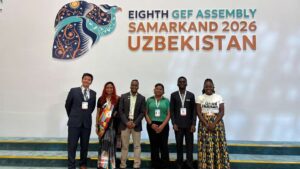
COP30 – Belém Climate Change Conference: Strategic Participation of MOCAHO in the Final Phase of Multilateral Climate Negotiations
Executive Overview
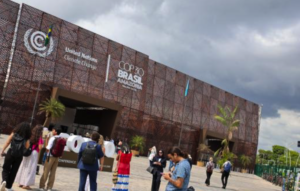
Mother Care 4 Hope Outreach (MOCAHO) actively participated in the 30th United Nations Climate Change Conference (COP30/CMP20/CMA7) held in Belém, Pará, Federative Republic of Brazil, from 10–21 November 2025. As an accredited civil society organization and observer constituency participant, MOCAHO engaged extensively in the final phase of negotiations, thematic consultations, Presidency-led dialogues, side events, stakeholder roundtables, constituency coordination meetings, and implementation-focused discussions across multiple negotiation tracks.
The Belém Conference represented a historic milestone as the first COP hosted within the Amazon region and served as the principal implementation conference following the financial and political commitments established at COP29 in Baku. Discussions focused heavily on climate finance mobilization, adaptation implementation, biodiversity protection, indigenous participation, gender-responsive climate action, and accelerating delivery of Nationally Determined Contributions (NDCs).
Institutional Accreditation and Observer Engagement
Throughout the Conference, MOCAHO participated within the observer engagement framework, allowing the organization to monitor formal negotiations, attend open contact groups, engage with Party representatives, participate in Presidency consultations, and contribute perspectives through civil society coordination mechanisms.
The organization maintained an active presence during:
• Presidency Consultations
• CMA7 Stakeholder Dialogues
• Adaptation Negotiations
• Climate Finance Consultations
• Civil Society Coordination Meetings
• Gender and Climate Action Sessions
• Indigenous Peoples Engagement Platforms
• Global Stocktake Follow-Up Discussions
• Side Events and Implementation Dialogues
• Multilateral Partnership Consultations
Support for the Baku-to-Belém Roadmap to USD 1.3 Trillion
A major area of engagement for MOCAHO concerned the advancement of the Baku-to-Belém Roadmap to USD 1.3 Trillion, one of the flagship climate finance initiatives inherited from COP29. The roadmap was designed to identify pathways for scaling climate finance flows to developing countries to at least USD 1.3 trillion annually by 2035 through public, private, concessional, and innovative financing mechanisms.
MOCAHO actively supported discussions promoting:
• Increased accessibility of climate finance for vulnerable communities.
• Expansion of adaptation financing mechanisms.
• Enhanced support for least developed countries and developing economies.
• Strengthened accountability and transparency frameworks.
• Greater participation of civil society organizations in financing processes.
• Improved alignment between climate finance and Sustainable Development Goals implementation.
The organization welcomed the continuation of political momentum between the COP29 and COP30 Presidencies and supported efforts to strengthen implementation pathways arising from the Roadmap process.
Participation in the Global Mutirão Initiative
MOCAHO participated in stakeholder consultations and implementation dialogues surrounding the landmark Global Mutirão Initiative, one of the defining outcomes of the Belém Conference. The Mutirão framework was conceived as a global mobilization platform intended to accelerate climate action through coordinated implementation efforts among governments, civil society, indigenous peoples, youth constituencies, private sector actors, and development institutions.
As part of this engagement, MOCAHO formally registered its participation in various implementation activities and coordination processes associated with the initiative and supported efforts aimed at transforming negotiated outcomes into measurable action on the ground.
The organization particularly welcomed:
• The Global Implementation Accelerator.
• Enhanced stakeholder participation mechanisms.
• Increased focus on adaptation delivery.
• Community-centered climate action approaches.
• Multi-stakeholder implementation partnerships.
Biodiversity, Forest Conservation, and Nature-Based Solutions
Given the symbolic importance of the Amazon region, biodiversity conservation featured prominently throughout COP30 discussions.
MOCAHO actively participated in events examining:
• Forest conservation strategies.
• Nature-based climate solutions.
• Ecosystem restoration frameworks.
• Biodiversity financing mechanisms.
• Community-led conservation initiatives.
• Sustainable land-use governance.
Particular attention was devoted to discussions concerning tropical forest protection and innovative financing mechanisms supporting ecosystem preservation and resilience-building activities.
Gender Equality and Inclusive Climate Governance
MOCAHO remained actively engaged in discussions concerning gender-responsive climate policy and the advancement of women’s leadership within climate governance processes.
The organization participated in consultations relating to:
• Gender-responsive climate finance.
• Women’s participation in climate decision-making.
• Gender-inclusive adaptation planning.
• Community resilience and social protection.
• Strengthening implementation of climate-related gender frameworks.
MOCAHO reaffirmed its institutional commitment to ensuring that climate action remains inclusive, equitable, and reflective of the needs of women, girls, and vulnerable populations.
Indigenous Peoples and Traditional Knowledge Platforms
Recognizing that COP30 was hosted within the Amazon region, indigenous participation represented one of the most significant dimensions of the Conference.
MOCAHO actively attended sessions and stakeholder dialogues focusing on:
• Indigenous rights and climate governance.
• Traditional knowledge systems.
• Community-led adaptation practices.
• Forest stewardship.
• Land-use management.
• Indigenous participation in environmental decision-making.
The organization supported efforts aimed at strengthening recognition of indigenous knowledge as a critical component of effective climate solutions and sustainable development strategies.
Negotiation Outcomes and Institutional Reflections
The Belém Conference concluded with adoption of the Belém Political Package, advancement of the Global Mutirão Decision, further operationalization of the Baku-to-Belém Roadmap, and important progress on adaptation implementation and climate finance discussions. Parties also continued work on the Global Goal on Adaptation and broader implementation frameworks under the Paris Agreement.
Throughout the Conference, MOCAHO participated in:
• Ministerial Consultations.
• Observer Constituency Meetings.
• Presidency Stakeholder Dialogues.
• Adaptation Finance Discussions.
• Civil Society Strategy Sessions.
• Implementation Accelerator Consultations.
• Climate Finance Roundtables.
• Biodiversity and Forest Protection Events.
• Gender and Inclusion Forums.
• Indigenous Peoples Engagement Platforms.
Looking Forward
Participation in COP30 represented one of MOCAHO’s most significant engagements within the UNFCCC process to date. The Conference strengthened the organization’s involvement in climate diplomacy, sustainable development advocacy, climate finance discussions, and implementation-oriented partnerships.
Building upon the outcomes achieved in Belém, MOCAHO remains committed to advancing climate resilience, environmental sustainability, inclusive governance, gender equality, indigenous participation, and community-centered climate action as the international community moves from the Baku-to-Belém implementation phase toward COP31 and the next generation of global climate commitments.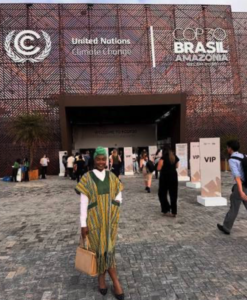
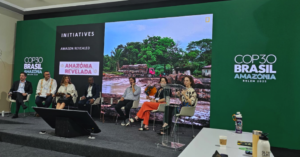
COP28 Dubai – Strategic Participation of MOCAHO in the UAE Consensus, Global Stocktake, Climate Finance and Inclusive Climate Governance
Executive Overview
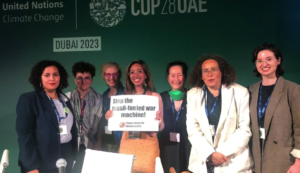
Mother Care 4 Hope Outreach (MOCAHO) actively participated in the 28th United Nations Climate Change Conference (COP28/CMP18/CMA5) held in Dubai, United Arab Emirates, from 30 November – 13 December 2023. The Conference represented one of the most consequential milestones in the history of the UNFCCC process, culminating in the adoption of the landmark UAE Consensus, the first-ever Global Stocktake under the Paris Agreement, and the operationalization of the Loss and Damage Fund.
As an accredited civil society stakeholder, MOCAHO engaged extensively throughout the Conference in observer consultations, thematic negotiations, stakeholder dialogues, constituency meetings, ministerial side events, implementation platforms, partnership-building forums, and technical discussions concerning climate finance, adaptation, biodiversity, gender equality, youth participation, and community resilience.
Event Details
• Conference: 28th Conference of the Parties (COP28)
• Venue: Expo City Dubai, United Arab Emirates
• Dates: 30 November – 13 December 2023
• Participants: 100,000+ registered delegates, observers, government representatives, international organizations, indigenous leaders, youth constituencies, academia, development finance institutions, and private sector stakeholders.
Participation in the UAE Consensus and Global Stocktake Process
A major focus of MOCAHO’s engagement centered around discussions leading to the adoption of the UAE Consensus, widely regarded as the most comprehensive negotiated climate outcome since the Paris Agreement.
The organization actively monitored and participated in stakeholder consultations surrounding:
• The First Global Stocktake (GST) under the Paris Agreement.
• Long-Term Global Climate Ambition Frameworks.
• Adaptation and Resilience Programming.
• Just Transition Pathways.
• Climate Finance Mobilization Mechanisms.
• Means of Implementation and Capacity Building.
• Enhanced International Cooperation Frameworks.
MOCAHO welcomed the successful completion of the Global Stocktake process and supported efforts to strengthen implementation mechanisms capable of closing existing climate ambition and implementation gaps.
Climate Finance and Loss & Damage Engagement
Throughout COP28, MOCAHO participated in multiple discussions concerning climate finance architecture, adaptation finance accessibility, and implementation of the newly operationalized Loss and Damage Fund.
The organization supported:
• Expansion of climate finance accessibility for developing countries.
• Increased support for vulnerable and climate-affected communities.
• Enhanced adaptation financing mechanisms.
• Greater transparency and accountability within climate finance institutions.
• Strengthened engagement of civil society organizations in financing discussions.
• Equitable resource allocation for Least Developed Countries (LDCs) and Small Island Developing States (SIDS).
MOCAHO also participated in finance-focused side events examining cooperation among:
• Green Climate Fund (GCF) stakeholders.
• Global Environment Facility (GEF) partners.
• Adaptation Fund institutions.
• Multilateral Development Banks.
• Philanthropic and blended finance initiatives.
Gender Equality and Inclusive Climate Action
In alignment with its institutional mandate, MOCAHO maintained strong engagement within gender-responsive climate action discussions and inclusive governance platforms.
The organization participated in events addressing:
• Gender-responsive climate finance.
• Women’s leadership in climate decision-making.
• Gender-inclusive adaptation planning.
• Social protection and community resilience.
• Equitable participation in climate governance structures.
MOCAHO welcomed the advancement of initiatives promoting women’s leadership and the integration of gender considerations into climate action frameworks.
Biodiversity, Nature and Ecosystem Resilience
Recognizing the growing interconnection between climate action and biodiversity protection, MOCAHO participated in numerous thematic discussions concerning:
• Nature-Based Solutions (NbS).
• Ecosystem Restoration.
• Biodiversity Conservation.
• Community Stewardship Models.
• Environmental Sustainability Frameworks.
• Forest Protection and Resilience Building.
The organization supported efforts aimed at integrating biodiversity considerations into climate adaptation and mitigation strategies while strengthening local community participation in environmental governance.
Indigenous Peoples and Local Communities Platform
COP28 placed unprecedented emphasis on Indigenous Peoples and local knowledge systems.
MOCAHO attended consultations and side events focusing on:
• Indigenous-led climate solutions.
• Traditional ecological knowledge.
• Community-based adaptation practices.
• Environmental stewardship.
• Territorial and ecosystem protection.
• Inclusive climate governance.
The organization welcomed initiatives launched during COP28 to strengthen direct support and financing mechanisms for Indigenous Peoples and local communities.
Youth, Education and Capacity Building
MOCAHO actively engaged in youth-centered programming and intergenerational climate dialogues organized throughout the Conference.
Particular emphasis was placed on:
• Climate Education.
• Youth Participation in UNFCCC Processes.
• Capacity Building and Leadership Development.
• Community Climate Literacy.
• Intergenerational Climate Governance.
The organization supported efforts to institutionalize youth participation and strengthen climate education as a core pillar of long-term climate action.
Partnership Development and Institutional Coordination
Throughout COP28, MOCAHO conducted extensive bilateral and multilateral engagements with:
• UN Agencies.
• Climate Action Network (CAN) Members.
• Civil Society Constituencies.
• Green Climate Fund Stakeholders.
• Academic Institutions.
• Development Partners.
• Environmental NGOs.
• Youth Constituencies and Observer Organizations.
These engagements contributed to strengthening future cooperation opportunities related to climate resilience, environmental sustainability, gender equality, community development, and SDG implementation.
Strategic Outcomes
MOCAHO’s participation contributed to:
• Strengthening institutional engagement within the UNFCCC process.
• Expanding partnerships across climate and development sectors.
• Advancing advocacy related to climate finance and community resilience.
• Supporting inclusive approaches to climate governance.
• Promoting gender-responsive and youth-centered climate action.
• Enhancing organizational capacity regarding implementation of COP outcomes.
Looking Forward
Participation in COP28 represented a major milestone in MOCAHO’s international climate diplomacy engagement. The Conference established the foundations for subsequent implementation efforts carried forward through COP29 in Baku and COP30 in Belém, particularly concerning climate finance, adaptation, biodiversity protection, and inclusive climate governance.
Building upon the achievements of the UAE Consensus, MOCAHO remains committed to supporting implementation-oriented climate action, strengthening community resilience, advancing environmental sustainability, and ensuring that the voices of vulnerable communities remain represented within global climate decision-making processes.